
Indianapolis Heavy Duty Towing: Reliable Solutions
When a fully loaded semi breaks down on I‑465 at rush hour or a construction rig grinds to a halt on a job site, the clock starts ticking. Freight schedules, project deadlines, and public safety can all hinge on one thing: how quickly and safely that heavy vehicle is moved. In a city like Indianapolis-crisscrossed by interstates, freight corridors, and bustling industrial zones-heavy duty towing isn’t just a background service. It’s the unseen framework that keeps traffic flowing, businesses operating, and the city’s logistics network intact. “Indianapolis Heavy Duty Towing: Reliable Solutions” explores what it takes to handle these high‑stakes recoveries. From specialized equipment and trained operators to round‑the‑clock availability and coordination with law enforcement and fleet managers, this article looks at how professional towing providers keep some of the city’s largest and most complex vehicles moving, even when everything seems to have come to a standstill.
Understanding heavy Duty Towing Needs in Indianapolis Urban and Industrial Corridors
From the I-465 beltway to the heavily traveled freight lanes along I-70 and I-65, the city’s traffic mix demands rapid, adaptable support for breakdowns, collisions, and load shifts. Tractor-trailers, buses, box trucks, and construction rigs often navigate tight downtown streets and congested industrial parks, where a disabled vehicle can stall an entire block or disrupt a delivery schedule.In these environments,specialized recovery planning is as critical as the tow itself-operators must evaluate vehicle weight,cargo sensitivity,lane width,and nearby infrastructure before the first hook is set.
Reliable service in these corridors means combining capable equipment with local insight. Operators need to be prepared for:
- Rush-hour standstills on key commuter routes and interchanges
- Oversized loads moving to and from warehouses,railyards,and logistics hubs
- Low-clearance constraints near viaducts,bridges,and older industrial zones
- Time-sensitive freight that can’t sit idle for long without costly ripple effects
| Corridor Type | Common Heavy Vehicles | Key Towing Focus |
|---|---|---|
| Downtown Grid | Transit buses,delivery trucks | Rapid clearance,tight-turn recovery |
| Interstate Spurs | Semis,refrigerated trailers | High-capacity towing,load stability |
| Industrial Parks | Dump trucks,equipment haulers | Off-pavement access,heavy winching |
Key Equipment and Capabilities to Look For in a Heavy duty Towing Provider
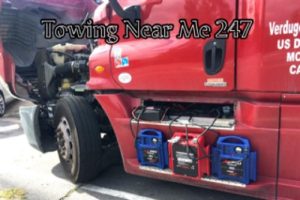
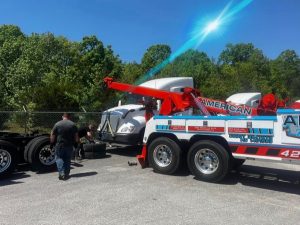
When a semi,motorcoach,or construction rig is sitting disabled along an Indianapolis corridor,the right hardware makes all the difference between a smooth recovery and a long,risky delay. Look for fleets that field modern rotator wreckers, high-capacity heavy-duty wheel-lift trucks, and lowboy or Landoll trailers built to handle specialty loads without damage.robust winching systems, air-ride suspension on recovery units, and integrated underlifts help protect drivetrains while allowing safe loading from tight angles, low clearances, or uneven shoulders. Providers that invest in load-shift correction gear, portable lighting towers, and traffic-control setups can turn a chaotic roadside scene into an organized, efficient operation-day or night, in any Indianapolis weather.
Capabilities matter just as much as steel and hydraulics. Skilled operators should be trained in air cushion recovery, safe uprighting techniques, and hazmat-aware procedures for incidents involving fuel or cargo spills. A professional outfit will also offer 24/7 dispatch, GPS-tracked trucks, and real-time ETAs so fleet managers are never guessing where help is. Look for seamless support services such as site cleanup, cargo transloading, and light mechanical fixes that get equipment moving without an needless tow. The table below highlights a few essentials to prioritize when comparing local providers:
| Feature | why It Matters |
|---|---|
| 75-100 Ton Rotator | Handles complex recoveries and tight urban spaces |
| Landoll / Lowboy Trailers | Safely transports low-clearance or specialty equipment |
| Air Cushion Recovery | Uprights loaded trucks with minimal cargo damage |
| 24/7 GPS-Tracked Dispatch | Faster response and accurate arrival estimates |
| On-Scene Load Handling | Reduces downtime by correcting shifts or offloads |
Safety Protocols and compliance Standards that Protect Your Fleet and Cargo
Every mile your rig travels through the Indianapolis corridor is governed by rules designed to keep drivers, cargo, and the public safe. professional heavy duty towing teams operate under strict DOT, FMCSA, and state-level guidelines, from verified driver qualifications to routine equipment inspections and documented load-securing practices. That means properly rated winches and chains, certified tie-down points, and detailed pre-trip and post-trip checks before a disabled tractor, reefer, or specialized trailer ever leaves the shoulder.Operators are trained to manage hazardous weather, night operations, and complex recoveries, coordinating with law enforcement and highway authorities so that traffic control, lane closures, and on-site communication all follow defined procedures.
Behind the scenes, reputable providers maintain a compliance-first culture that treats your freight like a high-value asset, not just another job ticket. Real-time GPS tracking, digital service logs, and 24/7 dispatch oversight help ensure that recovery routes, speed thresholds, and stop locations stay within policy. Many companies also align with cargo-specific standards-such as temperature-control protocols for perishables or special handling for oversize and high-value loads-documented in internal SOPs and safety manuals. These layers of protection translate into fewer claims, reduced downtime, and a clear audit trail that proves your load was handled with the same rigor you expect from your own fleet operations.
- Certified operators trained in heavy recovery and hazmat awareness
- Equipment inspections scheduled and logged for every tow unit
- Secure load handling with rated rigging and documented procedures
- Regulatory alignment with DOT, FMCSA, and state safety mandates
| Safety Focus | How It Protects You |
|---|---|
| Pre-Tow Inspection | Prevents damage before the rig leaves the scene |
| Route Compliance | Avoids restricted roads and low-clearance hazards |
| Load Documentation | Creates a clear record for claims and audits |
| 24/7 Monitoring | Enables rapid response to en-route issues |
practical Tips for Choosing a Reliable 24 7 Heavy Duty Towing Service in Indianapolis
When your semi, bus, or construction rig is sidelined on I-70 or the 465 loop, you need more than a quick Google search-you need proof that the crew arriving can genuinely handle the weight, distance, and risk. Start by checking whether the provider specializes in Class 7-8 vehicles, not just light-duty cars, and confirm they offer true 24/7 dispatch, not “limited after-hours coverage.” Look for certifications, insured operators, and a fleet that includes rotators, lowboys, and heavy wreckers, especially if you routinely move equipment or oversized loads.Reading local reviews filtered by ”heavy tow,” “tractor-trailer,” or “bus” can highlight how a company performs under real pressure, including response times on Indy’s busiest corridors.
Before you commit, compare a few companies on more than just price. Ask about clear, written rate structures, coverage areas (including rural outskirts beyond Marion County), and estimated ETA transparency during peak traffic or winter storms. Many established operators will even coordinate with your mechanic, body shop, or fleet manager to streamline drop-off and invoicing. You can use a simple comparison like this:
| Provider | Average ETA (Indy Metro) | Heavy Fleet Types | Upfront Pricing? |
|---|---|---|---|
| Company A | 35-45 min | Rotator, Wrecker | Written quote |
| Company B | 60-90 min | Standard Wrecker | Phone estimate only |
| Company C | 45-60 min | Rotator, lowboy | Rate sheet online |
In Summary
As the miles roll on and the city’s pulse keeps time with every passing truck, the value of dependable heavy duty towing in Indianapolis becomes unmistakably clear. It’s more than a niche service-it’s an unseen safeguard for commerce, commuters, and the countless journeys that converge on our roadways each day. From rapid-response recoveries on I-70 to carefully coordinated long-hauls out of the distribution hubs,reliable towing solutions help ensure that one breakdown doesn’t become a chain reaction. Instead, stalled rigs are moved, schedules are salvaged, and the flow of goods and people continues. In a city built on movement and momentum, having the right heavy duty towing partner isn’t just a practical decision; it’s part of planning for the unexpected. When the next unforeseen stop happens, the difference between chaos and continuity frequently enough comes down to a single call-and the confidence of knowing that help is already on its way.